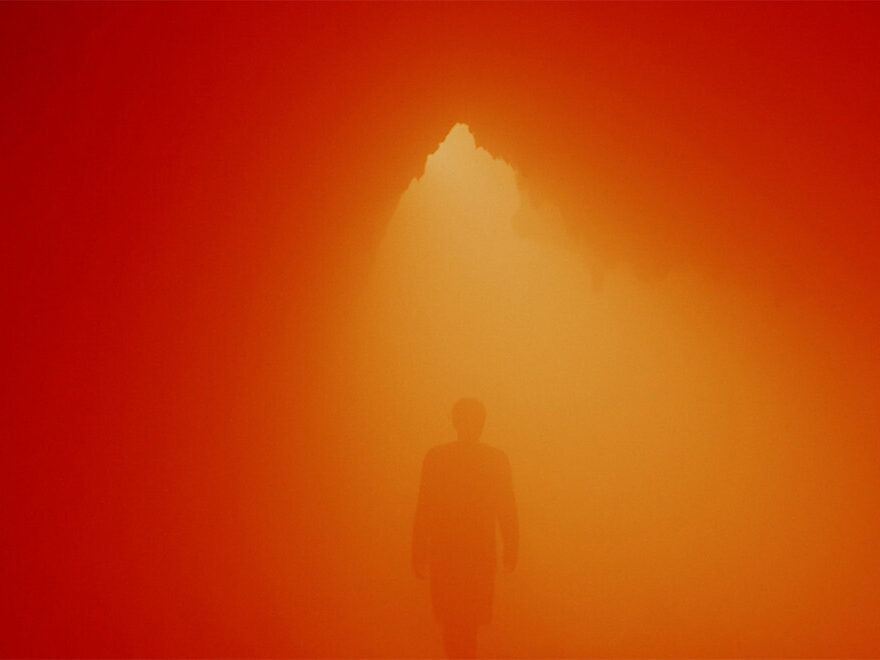
A volcano is never only a mountain. It is a rupture in the earth’s surface, a pressure system, an always imminent multisensory event, an archive of deep time. In KRAKATOA (2026), filmmaker and artist Carlos Casas approaches the Indonesian volcano as cinematic subject, ecological threshold, and living myth. Carlos Casas will be at the opening of the installation on Sunday (free of charge), 28.6.26, at 6 pm at Haus der Kunst. He will also present his film in person at the film festival.
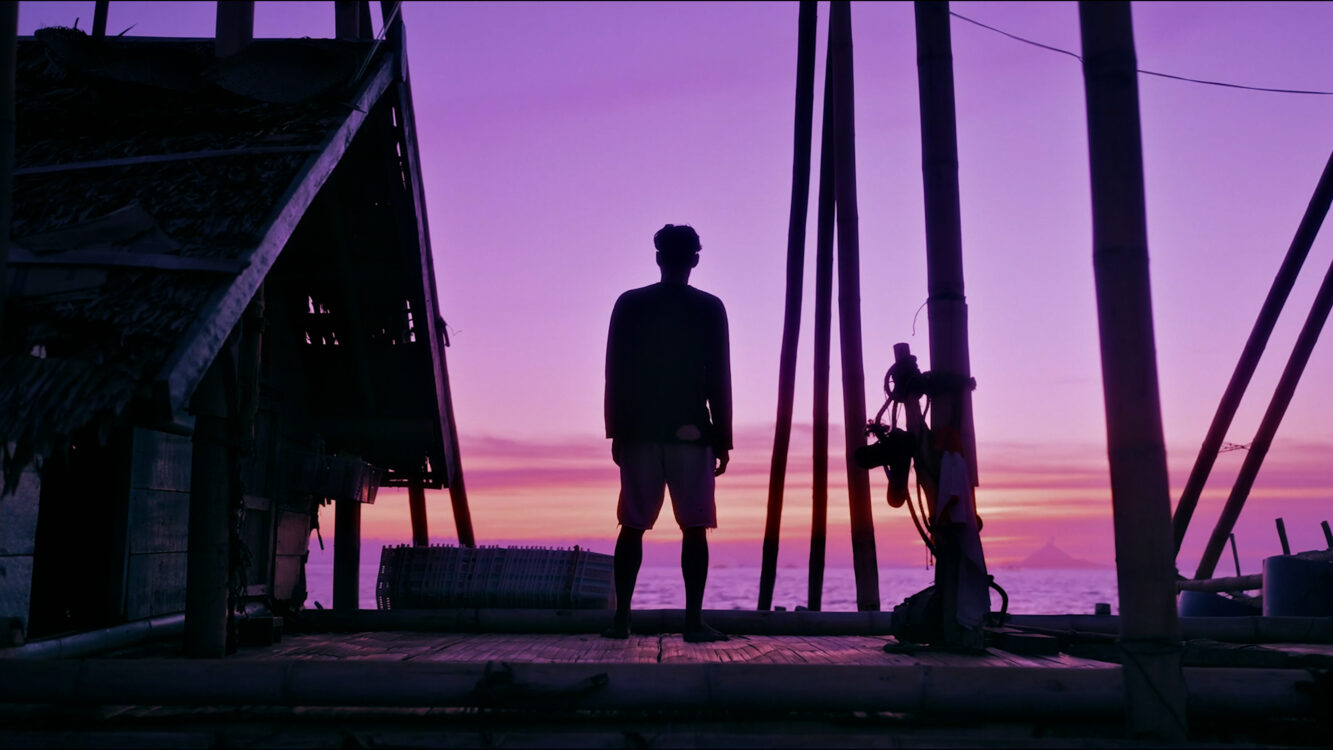
Carlos Casas, KRAKATOA, 2020-2026, film still. Courtesy the artist
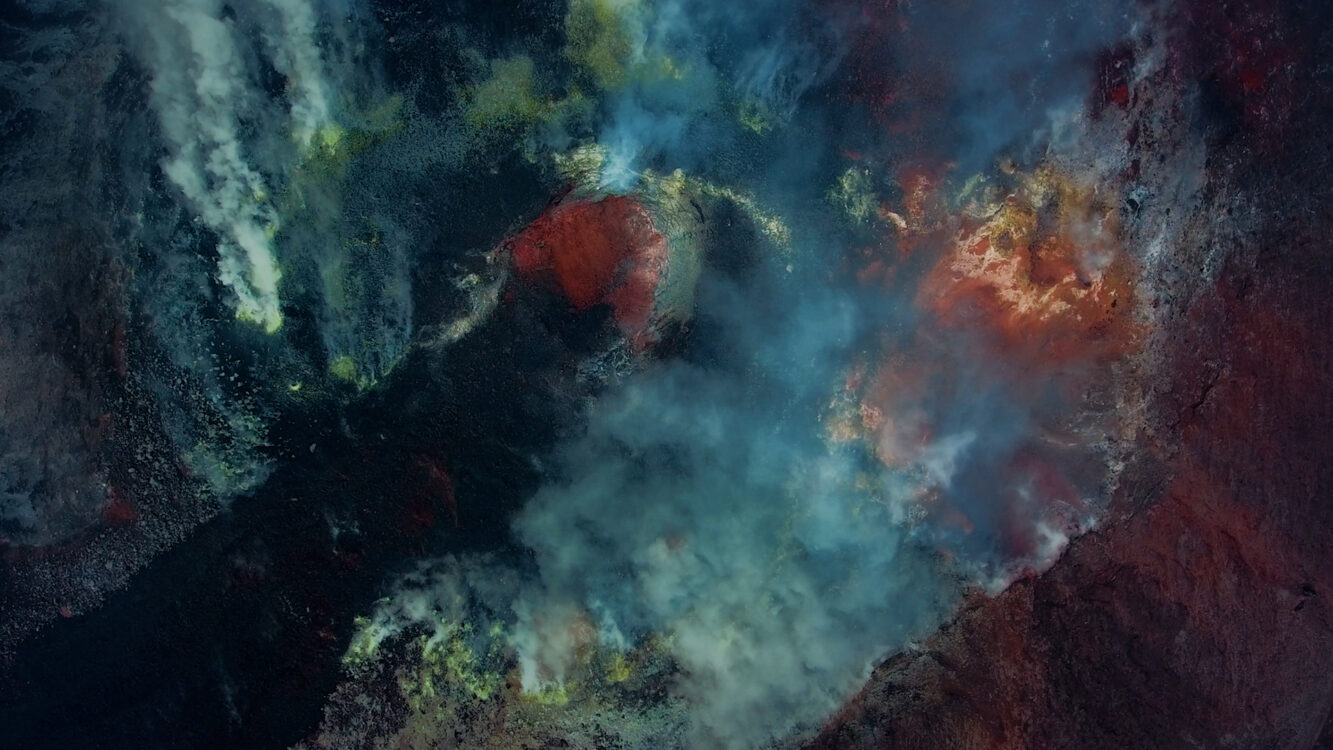
Carlos Casas, KRAKATOA, 2020-2026, film still. Courtesy the artist
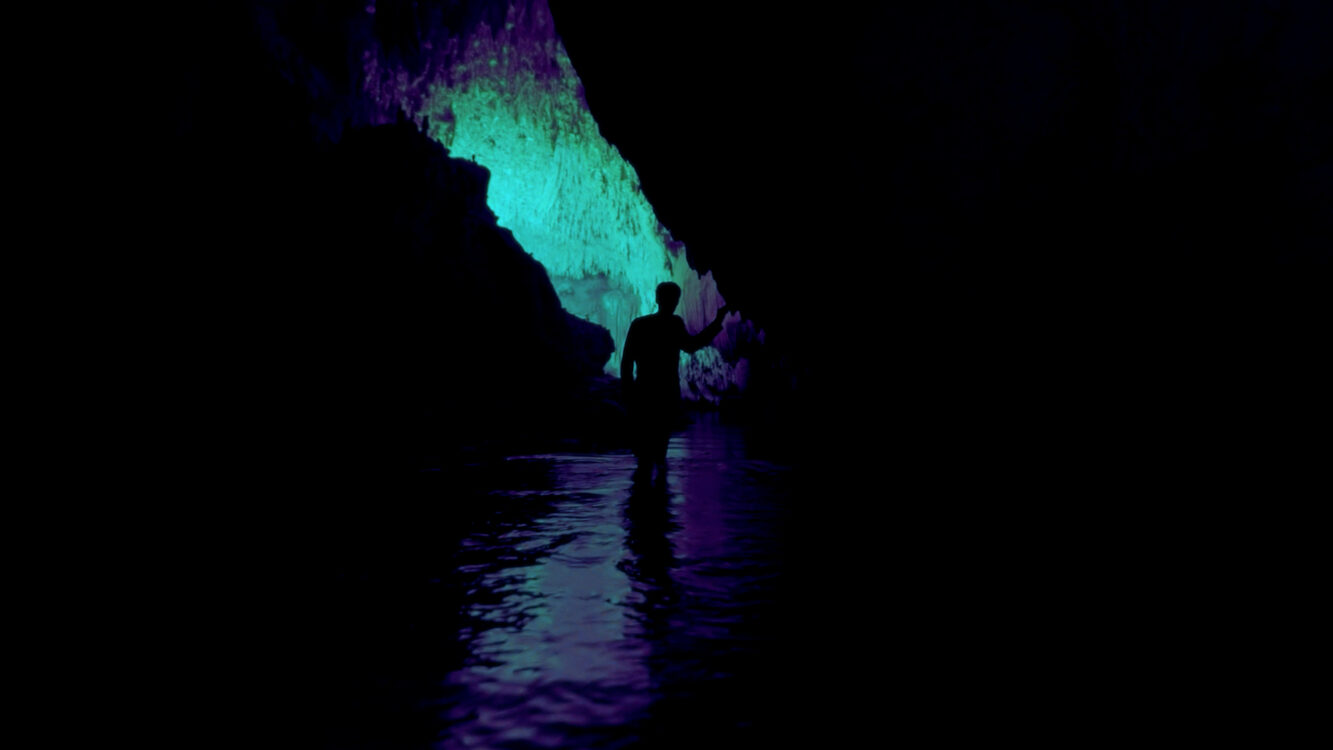
Carlos Casas, KRAKATOA, 2020-2026, film still. Courtesy the artist
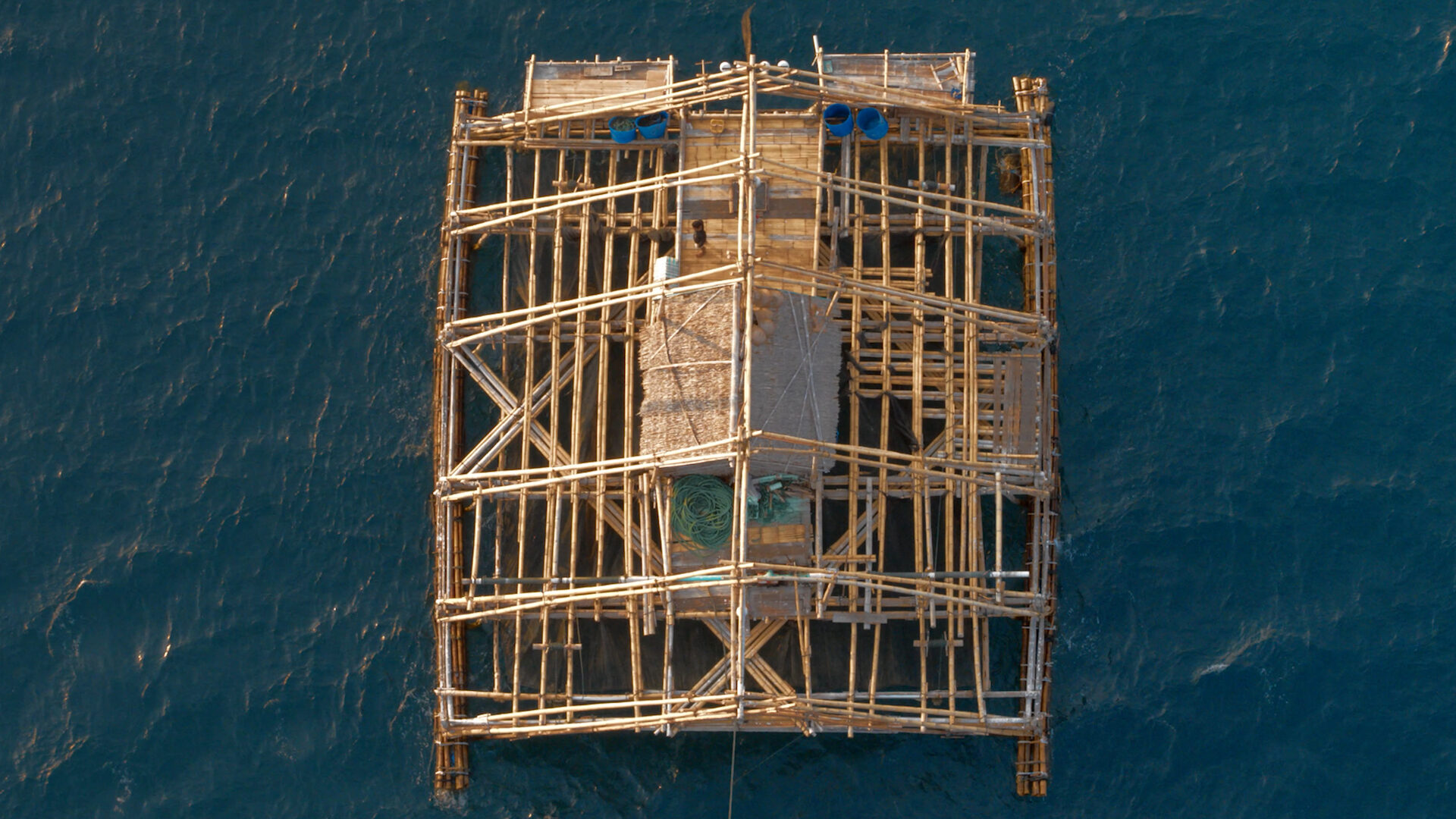
At the centre of this site-specific version of the film is Kesuma, a young Bagan fisherman on a bamboo platform near Krakatoa, informed by the testimony of Roni Herliyansah, survivor of the 2018 eruption. His journey descends from sea to island, from devastated terrain to dense vegetation, from cave to the imagined interior of the earth. With its overture, four parts, and epilogue, the film moves through changing modes of perception, from underwater light and drone observation to thermal vision and microscopic imagery. It closes with a flickering passage of 6,371 frames, one for each kilometre between the earth’s crust and its core, set to a sonic composition derived from seismic data. The final section unfolds as a monumental and touching homage to the most radical visions of twentieth-century experimental cinema.
The 1883 eruption travelled far beyond its site. Its sound was registered across thousands of kilometres; its ash entered the stratosphere, and produced the strange sunsets recorded across the world in the months that followed. Emerging alongside global cable communication and early cinema, Krakatoa became one of the first natural phenomena to circulate as planetary news.
Nicolas Becker’s sound composition brings together infrasound, seismic data, and field recordings, drawing from the gasometer recordings of the 1883 eruption held at the Royal Institution in London. The sound is a precise historical reconstruction, while the image is speculative. This inversion of the conventional hierarchy, in which image carries fact and sound provides atmosphere, is a premise of the work.
At Haus der Kunst, landscape emerges as a living system: from Philippe Parreno’s El Almendral (2024), an infinite film generated in real time from an almond grove in Spain, to Cyprien Gaillard’s engagement with water, ruin, and stereoscopic depth, the moving image has been treated here as a process that does not end with the projection. KRAKATOA extends this trajectory into volcanic territory.
Presented in collaboration with Filmfest München, Krakatoa continues Haus der Kunst’s engagement with the moving image as a spatial and sensory form. This line echoes with Steina’s electronic landscapes of signal, movement, and perception, currently on view, and extends into the forthcoming exhibition by Tomás Saraceno, with which KRAKATOA shares an attention to ecological systems, atmospheric forces, and forms of life shaped by interdependence.
As part of the Munich International Film Festival, the documentary REBECCA HORN – THE SOUL OF THINGS (Neues Deutsches Kino) will be screened. In 2024, the artist Rebecca Horn was the subject of a major solo exhibition at Haus der Kunst. Following the screening on 2.7.26 at 3 pm at Theatiner Filmkunst, curators Petra Giloy-Hirtz and Dr. Jana Baumann will join director Claudia Müller and producer Martina Haubrich in a conversation about Rebecca Horn’s work and her extraordinary artistic personality.
KRAKATOA by Carlos Casas is presented by FILMFEST MÜNCHEN in cooperation with Haus der Kunst.
The coordinating curator at Haus der Kunst is Lydia Antoniou.
Admission to the film installation is free.
Artist info
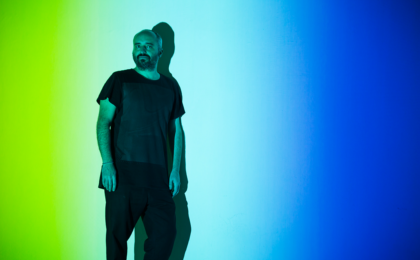
Carlos Casas
Carlos Casas (b. 1974, Barcelona) is a filmmaker and artist working across experimental cinema, installation, and sound. His END Trilogy (2003–2010), set in Patagonia, the Aral Sea, and Siberia, traced lives held at the planet's most extreme edges. Avalanche (since 2009), filmed in a vanishing village in the Pamirs, is re-edited and re-scored for each presentation. With Sanctuary (Tate Modern, 2017) and Cemetery (2019), Casas developed an infrasound environment with musician Chris Watson and sound specialist Tony Myatt around an elephant’s journey towards its mythical graveyard. Alongside his films, he has produced an extensive body of recordings and releases on labels including Discrepant, Matière Mémoire, and Second Sleep.